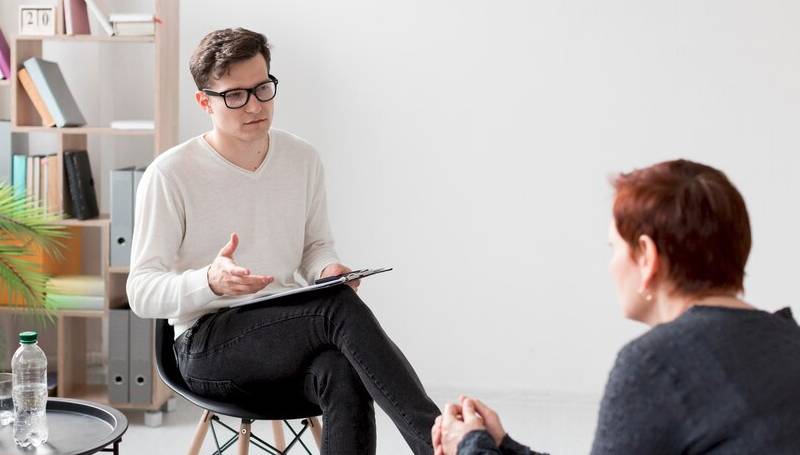

Improving Relationships through Personal Counseling
Relationships are the cornerstone of our lives. Whether they’re with a partner, family members, friends, or colleagues, the quality of our relationships greatly impacts our overall well-being and happiness. However, maintaining healthy relationships is not always a straightforward task. Personal conflicts, communication breakdowns, and unresolved emotional issues can strain even the strongest bonds. This is where personal counseling can play a pivotal role in improving relationships.
Personal counseling, often known as individual therapy, offers individuals the opportunity to explore and work through their emotional challenges. It can be an essential tool in enhancing relationships, as it helps individuals better understand themselves and, consequently, become more equipped to navigate their interactions with others.
Understanding the Need for Personal Counseling for Improving Relationships:
Before delving into the ways personal counseling can improve relationships, it’s crucial to understand why counseling may be necessary in the first place. Several factors can lead to the need for personal counseling:
- Unresolved Trauma: Many people carry past traumas that affect their behavior and emotional responses. Unresolved trauma can lead to emotional instability, impacting relationships negatively.
- Communication Issues: Effective communication is fundamental to any healthy relationship. Personal counseling can help individuals develop better communication skills, thereby reducing misunderstandings and conflicts.
- Emotional Baggage: Unresolved emotional issues can create emotional baggage, making it difficult to fully engage with others in a relationship.
- Low Self-esteem: A lack of self-confidence or self-esteem can hinder one’s ability to maintain healthy relationships.
How Personal Counseling Helps in Improving Relationships:
Now that we understand the need for personal counseling, let’s explore how it can help improve relationships.
1. Self-Understanding:
 The foundation of every healthy relationship is self-awareness. Personal counseling encourages individuals to explore their thoughts, feelings, and behaviors.
Through introspection, they can gain a deeper understanding of themselves, their motivations, and their emotional triggers. This self-awareness is key to resolving personal issues that may be affecting their relationships.
When you understand your own needs, values, and boundaries, you can communicate them more effectively to your partner or others, which helps build trust and intimacy.
2. Communication Skills:
Effective communication is the lifeblood of any relationship. Personal counseling can teach individuals how to express themselves clearly and actively listen to others. This skill is crucial for resolving conflicts, preventing misunderstandings, and fostering mutual respect.
Learning to communicate openly and honestly can lead to improved dialogue within relationships. Moreover, individuals can learn conflict resolution techniques to address disagreements constructively.
3. Emotional Regulation:
Emotional outbursts or the inability to manage strong emotions can strain relationships. Personal counseling equips individuals with strategies to better regulate their emotions. By recognizing and managing their emotional responses, they can avoid emotional clashes and maintain a more harmonious atmosphere in their relationships.
4. Healing Past Wounds:
Unresolved trauma and emotional wounds from the past can cast long shadows over the present. Personal counseling provides a safe and supportive space to address and heal these issues. When individuals confront and work through their past traumas, they are less likely to project them onto current relationships.
5. Building Self-esteem and Self-worth:
Low self-esteem can be detrimental to relationships. Personal counseling helps individuals build self-esteem and self-worth by focusing on self-acceptance and self-compassion. When individuals value themselves, they are less likely to seek validation and approval from their relationships, leading to healthier dynamics.
6. Setting Boundaries:
Establishing and maintaining healthy boundaries is essential for any relationship. Personal counseling can assist individuals in defining their boundaries and asserting them when necessary. This can prevent overextending or becoming resentful in relationships.
7. Enhancing Empathy and Perspective-Taking:
Counseling can also help individuals develop empathy and the ability to take the perspective of others. This skill is vital for understanding the needs and emotions of one’s partner or loved ones. By recognizing and validating others’ experiences, relationships can become more supportive and compassionate.
8. Strengthening Resilience:
Personal counseling can help individuals build emotional resilience. This means they are better equipped to handle challenges and setbacks, reducing the likelihood of relationship breakdowns during difficult times.
9. Increasing Relationship Satisfaction:
Ultimately, counseling can lead to increased relationship satisfaction. When both partners are engaged in their personal growth and self-improvement, they can bring healthier, more positive energy to their relationships, leading to improved overall relationship quality.
Conclusion:
Improving relationships through personal counseling is not just about fixing problems but about personal growth and self-discovery. Personal counseling can be a transformative process that empowers individuals to take control of their lives and develop the emotional tools necessary to create and maintain healthy, fulfilling relationships.
By addressing unresolved issues, improving communication, and enhancing self-awareness, counseling can significantly contribute to building stronger, more satisfying relationships in every area of life.
Whether you’re struggling with a romantic partner, family, friends, or colleagues, counseling can be a valuable resource on your journey to healthier, more fulfilling connections with others.
Frequently Asked Questions about improving relationships through personal counseling:
Q1: What is personal counseling, and how does it relate to improving relationships?
A1: Counseling, also known as individual therapy, is a therapeutic process where individuals work with a trained counselor or therapist to explore and address personal issues and emotional challenges. It relates to improving relationships because it helps individuals develop self-awareness, emotional regulation, and communication skills, which are crucial for building and maintaining healthy relationships.
Q2: How can personal counseling help with communication issues in relationships?
A2: Counseling can improve communication in relationships by teaching individuals effective communication techniques, active listening, and conflict-resolution skills. When individuals become better communicators, they can express themselves clearly and understand their partners or loved ones more effectively, reducing misunderstandings and conflicts.
Q3: Can personal counseling help heal past traumas that affect my current relationships?
A3: Yes, Counseling can be instrumental in addressing and healing past traumas. By working through unresolved emotional issues from the past, individuals can reduce the impact of these traumas on their current relationships and gain a better understanding of how their past experiences may be influencing their behavior and emotions.
Q4: What role does self-esteem play in personal counseling and relationship improvement?
A4: Low self-esteem can be a significant barrier to healthy relationships. Counseling focuses on building self-esteem and self-worth by promoting self-acceptance and self-compassion. When individuals value themselves, they are more likely to engage in healthier, more fulfilling relationships.
Q5: How do I set and maintain healthy boundaries in my relationships through personal counseling?
A5: Counseling can assist you in defining and asserting healthy boundaries. It helps you recognize your limits and communicate them effectively to others. Setting and maintaining boundaries is crucial for preventing overextending or feeling resentful in relationships.
Q6: Can Counseling help with conflict resolution in relationships?
A6: Yes, counseling often includes conflict resolution techniques. These techniques help individuals address disagreements constructively, fostering a more harmonious atmosphere in their relationships. By learning how to manage conflicts healthily, relationships can become stronger and more resilient.
Q7: What can I expect from Counseling in terms of relationship satisfaction?
A7: Counseling can lead to increased relationship satisfaction by promoting personal growth and self-improvement. When individuals work on their own well-being, they bring a healthier, more positive energy to their relationships, leading to improved overall relationship quality.
Q8: Is personal counseling suitable for all types of relationships, such as family, friends, and colleagues?
A8: Yes, counseling is relevant to all types of relationships. It can be beneficial in improving relationships with romantic partners, family members, friends, and colleagues. The skills and self-awareness gained through counseling can enhance interactions in various relationship contexts.
Q9: How long does it typically take to see improvements in relationships through personal counseling?
A9: The timeline for seeing improvements in relationships through counseling varies from person to person and depends on the complexity of the issues. Some individuals may experience positive changes in a relatively short time, while others may require longer-term counseling. Consistency and commitment to the process are key factors in achieving successful outcomes.
Q10: Is personal counseling a replacement for couples or family therapy?
A10: Personal counseling is not a replacement for couples or family therapy but can complement these approaches. While counseling focuses on individual growth, couples and family therapy address issues within the relationship dynamic. Depending on the situation, a combination of individual and group therapy may be recommended to achieve the best results.