
Understanding Inner Peace in Today’s Fast-Paced World
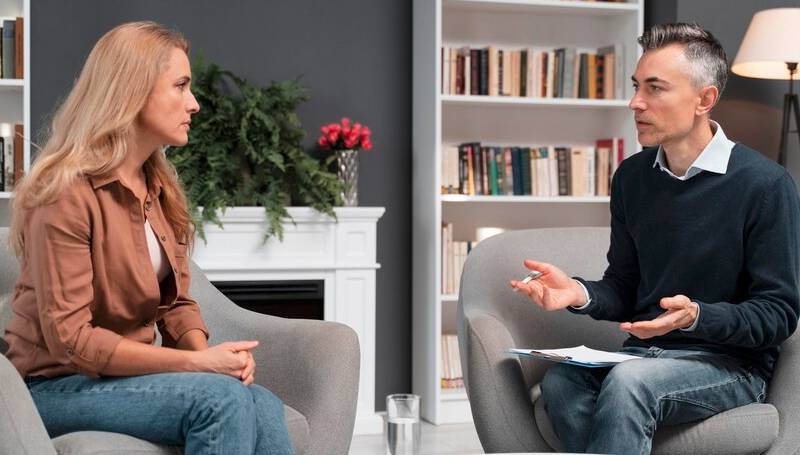
Inner peace feels like a distant dream, where life moves faster than ever, and stressors come from all directions. The demands of work, relationships, finances, and social expectations can leave anyone feeling drained. This chaos builds up, creating emotional and mental unrest that quietly disrupts daily life. At such times, seeking personal counselling for inner peace becomes more than a choice—it becomes a necessity.
The impact of modern stressors on emotional well-being
From endless digital distractions to social media comparisons, daily life today breeds tension. People juggle multiple responsibilities, barely having time to pause or catch their breath. This constant hustle chips away at mental strength, leading to chronic stress, anxiety, and even depression. Emotional well-being isn’t just about avoiding breakdowns—it’s about feeling balanced and grounded.
Personal counselling for inner peace addresses these modern challenges by helping individuals slow down and reassess what’s truly important. Counsellors guide clients through unpacking their daily struggles, offering insights and tools to rebuild emotional resilience. Through this process, calmness begins to take root even amidst the noise.
How inner peace relates to mental, emotional, and spiritual balance
True inner peace is not just the absence of stress. It’s a harmonious state where the mind, emotions, and spirit work in unison. Mental clarity, emotional regulation, and spiritual grounding form the trio of balance that makes life fulfilling. Unfortunately, this alignment often gets disrupted by unprocessed emotions, negative self-talk, or life transitions.
With personal counselling for inner peace, individuals explore each layer of their being. Therapy helps create alignment—mental clarity is restored by challenging negative beliefs, emotional balance is nurtured through understanding feelings, and spiritual well-being grows through reflection and purposeful reflection. The result is a renewed sense of self where peace becomes a living experience, not a far-off goal.
Why do many turn to Personal Counselling for emotional alignment
Many are discovering that peace doesn’t lie in achievements or material success. It lies in knowing how to manage emotions, live in the present, and respond rather than react to life. This shift in perspective leads more people to seek personal counselling for inner peace.
Through open dialogue with a trained professional, clients learn to identify emotional imbalances and take steps toward healing. Counselling provides a safe environment to dig deep, understand inner turmoil, and gradually transform it into serenity. It isn’t about fixing problems overnight—it’s about finding alignment with one’s inner world.
The Role of Personal Counselling in Emotional Healing
Healing from emotional wounds is like tending to invisible scars. While the world sees smiles, many carry pain silently. Personal counselling offers a gentle yet powerful pathway to emotional healing, giving people the space to unburden and begin anew.
Exploring unresolved trauma and emotional wounds
Unhealed trauma can silently shape thoughts, decisions, and relationships. Whether it stems from childhood neglect, toxic relationships, or life-altering events, unresolved pain creates inner conflict. These wounds often get buried, only to resurface during moments of stress or vulnerability.
In personal counselling for inner peace, individuals are guided to revisit and process their past in a safe and supportive manner. The counselling space is one of acceptance, free from judgement or pressure. Slowly, the layers of trauma are addressed, acknowledged, and released. This process doesn’t just heal—it empowers. By facing the pain, clients transition from a state of survival to one of inner strength and resilience.
Safe expression of feelings in a judgement-free environment
Many people have never truly felt heard. They may have grown up suppressing emotions, fearing criticism or rejection. This silence becomes a barrier to peace. Suppressed emotions don’t disappear—they fester and resurface as anxiety, anger, or numbness.
Personal counselling for inner peace creates a space where feelings can finally breathe. Clients are encouraged to speak freely without fear of being misunderstood. This honest expression allows emotional energy to move and transform. In this sacred space, people begin to accept themselves, warts and all, and that acceptance becomes the seed of lasting inner peace.
Rebuilding trust within oneself through Personal Counselling
Emotional pain often leads to self-doubt. People question their worth, choices, and ability to cope. The inner critic grows louder, and self-trust starts to erode. Without self-trust, peace feels unreachable.
One of the core benefits of personal counselling for inner peace is rebuilding this lost trust. Through consistent support and self-reflection, clients begin to recognise their strengths. They learn to set boundaries, listen to their intuition, and honour their needs. The relationship with self is mended, and with it comes a more profound sense of calm and confidence.
Identifying Stress Triggers and Emotional Patterns
Understanding what disturbs inner peace is the first step towards reclaiming it. Often, stressors are subtle, and patterns are deeply ingrained. Counselling helps make the invisible visible, empowering individuals to respond rather than react.
How Personal Counselling Helps Recognise Emotional Triggers
Emotional triggers are situations, words, or experiences that spark intense reactions. They’re often linked to past pain or unmet needs. For instance, being criticised might trigger feelings of inadequacy rooted in childhood. These reactions are automatic unless explored.
Personal counselling for inner peace brings these patterns to light. With the counsellor’s help, individuals start connecting the dots—identifying what triggers certain emotions and why. Awareness turns into insight, and with that, people begin to change their responses. Recognising a trigger is the first step in not letting it control you.
Understanding Behavioural Cycles that Disrupt Peace
Everyone has emotional habits. Some avoid conflict, others overreact to stress, and many repeat the same relationship patterns without realising. These cycles can quietly sabotage happiness and inner calm.
Through personal counselling for inner peace, these behavioural loops are gently examined. Clients learn to track the root of their behaviours—what fuels them, what maintains them, and what it takes to break free. This insight creates space for choice. Instead of reacting out of habit, people learn to pause, reflect, and act in ways that support peace and well-being.
Learning healthier responses to stress and conflict
Stress is inevitable. Conflict is part of life. The difference lies in how one responds. Unhealthy responses—like avoidance, aggression, or withdrawal—only deepen emotional unrest. Healthier coping isn’t about pretending everything’s fine. It’s about dealing with challenges in a way that preserves inner balance.
In personal counselling for inner peace, clients build emotional intelligence. They practice communication skills, stress-management techniques, and self-regulation tools that allow calmness to remain, even in challenging situations. Over time, this becomes second nature, turning chaos into clarity.
Cultivating Mindfulness and Present-Moment Awareness
Mindfulness isn’t just a trend—it’s a life skill. It brings the mind back from the past or future into the now, where peace resides. Cultivating this awareness through counselling can be a transformative experience.
Practising mindfulness techniques in Personal Counselling
Counselling sessions often integrate mindfulness practices such as deep breathing, guided imagery, or grounding techniques. These aren’t just exercises—they’re doorways to inner stillness. Mindfulness helps tune into thoughts without being consumed by them.
With personal counselling for inner peace, mindfulness becomes more than a technique—it becomes a way of life. Regular practice helps individuals observe emotions without judgment, respond to triggers with grace, and create space between stimulus and reaction. This internal spaciousness becomes fertile ground for peace.
Reducing mental clutter by focusing on the now
The human mind often runs wild, re-living past regrets or fearing future outcomes. This mental noise creates tension and disconnection from the present. Peace isn’t possible when the mind is constantly elsewhere.
Counsellors guide clients to anchor attention in the now. Using grounding techniques, thought-challenging exercises, and presence-focused conversations, the mental fog begins to lift. Personal counselling for inner peace clears the mental clutter, revealing the simplicity and serenity of the current moment.
How present awareness leads to lasting inner peace
Peace isn’t found in the absence of problems—it’s found in being fully present with what is. When attention is focused on the present, resistance tends to diminish. Acceptance grows. With that comes calm.
Personal counselling for inner peace nurtures this presence by encouraging clients to slow down, listen inwardly, and honour each moment. Over time, this shifts the inner landscape. Rather than reacting from fear or habit, responses come from awareness. And in that awareness lies profound, lasting peace.
Letting Go of Guilt, Shame, and Resentment
Emotions like guilt, shame, and resentment are heavy. They don’t just hurt—they imprison. Holding onto them creates emotional fatigue. Letting go is essential to finding peace, and counselling offers the tools to do so.
The emotional burden of holding onto negative emotions
Guilt keeps people stuck in the past. Shame whispers that they’re not enough. Resentment ties them to pain and betrayal. These emotions don’t fade on their own—they grow heavier with time. The burden can manifest physically, emotionally, and mentally.
Personal counselling for inner peace allows individuals to confront these feelings head-on. Through reflection and support, these emotions are unpacked—not to re-live the pain, but to understand it. Understanding opens the door to release. When this burden lifts, peace takes its place.
How Personal Counselling Supports Emotional Release
Emotional release doesn’t mean forgetting the past. It means loosening its grip. Counselling helps guide clients through structured processes, such as expressive dialogue, role-play, journaling, and inner-child work, to let go safely.
In personal counselling for inner peace, the body and mind are treated as a whole. Counsellors understand that emotions live in the body, not just the mind. By creating a supportive environment for expression, stuck emotions begin to move. Tears may flow, but with them comes freedom.
Developing forgiveness and compassion for healing
Forgiveness isn’t about condoning hurtful behaviour—it’s about choosing peace over bitterness. Compassion begins when one stops fighting the past. Both are acts of courage and liberation.
Counselling provides the emotional scaffolding needed to forgive—not just others but also oneself. In personal counselling for inner peace, compassion is nurtured as a pathway to wholeness. Clients learn to see their humanity with softness, not harshness. This inner kindness becomes a foundation for lasting peace.
Reconnecting with Personal Values and Purpose
Life often becomes so busy that it’s easy to lose sight of what truly matters. When actions no longer align with values and decisions feel misaligned, inner conflict arises. Personal counselling for inner peace helps realign the compass, guiding individuals back to a life of meaning and purpose.
Realigning life with what truly matters
Many people live by default rather than by design, saying yes when they want to say no or chasing success that doesn’t fulfil them. This misalignment chips away at inner peace. Deep down, a quiet voice whispers that something is off.
Through personal counselling for inner peace, space is created to examine these feelings. Counsellors gently guide clients to uncover what truly matters—whether it’s connection, creativity, health, or authenticity. By realigning daily life with these core values, individuals begin to feel grounded again. Life feels more intentional, and peace returns, not through perfection, but through purpose.
Clarifying goals and values through guided reflection
Goals driven by external pressure often feel hollow. True fulfilment comes from goals that reflect one’s own heart and values. But to set such goals, clarity is essential. That’s where counselling steps in.
In personal counselling for inner peace, guided reflection helps clients uncover what they genuinely want, not what society expects them to want. Using value-mapping tools and future-visioning exercises, individuals sort through noise and reconnect with their inner truth. Once clarity emerges, goals become empowering rather than exhausting, fuelling peace and self-confidence.
How Personal Counselling helps uncover a more profound sense of purpose
Purpose isn’t always a grand mission—it might be found in raising a family, serving others, or creating art. What matters is that it feels right. Without this sense of meaning, life can feel like a grind. However, when aligned with purpose, even the smallest moments become fulfilling.
Personal counselling for inner peace helps clients explore their identities, passions, and contributions. This discovery often leads to unexpected insights. Through honest conversation and reflective exercises, a more profound sense of purpose emerges. With that purpose comes a powerful sense of peace, because life starts to make sense again.
Strengthening Emotional Resilience and Self-Regulation
Life is unpredictable. Stress, loss, and disappointment—they’re all part of the journey. But with emotional resilience and self-regulation, it becomes easier to navigate storms without losing inner calm. This is one of the greatest gifts of personal counselling for inner peace.
Developing coping skills for life’s emotional highs and lows
Everyone experiences emotional turbulence—grief, anger, frustration. What sets peaceful people apart isn’t the absence of these emotions but the ability to manage them effectively. Counselling offers tools to manage emotional waves without being overwhelmed.
In personal counselling for inner peace, clients learn emotional first-aid techniques—such as grounding exercises, emotional journaling, and thought reframing —to cultivate inner peace. These skills enable individuals to process emotions healthily, thereby reducing emotional overload and promoting emotional stability. With practice, emotional ups and downs become easier to handle, and peace becomes more resilient.
Building a calm inner core through Personal Counselling practices
Imagine a tree that stands steady despite the wind—that’s what a calm inner core feels like. It’s not about never getting shaken but about having deep roots. Personal counselling helps build those roots through practices like breathwork, affirmations, boundary setting, and emotional awareness.
Through personal counselling for inner peace, individuals create an internal environment that supports calm. As they develop mindfulness and emotional regulation, they become less reactive and more composed. Over time, this calmness spreads into thoughts, actions, and relationships.
Responding vs. reacting: mastering emotional self-control
Reacting is instinctive. It’s snapping back, shutting down, or panicking. Responding, however, is mindful. It’s pausing, thinking, and choosing a calm way forward. Mastering this distinction is a crucial step in achieving peace.
Counsellors help clients become aware of their triggers and practice response techniques. Role-playing, reflective exercises, and emotional awareness tools are used to build this skill. In personal counselling for inner peace, emotional self-control is not about suppression—it’s about empowerment. Peace grows when one feels in charge of emotions rather than controlled by them.
Healing from Anxiety, Overthinking, and Inner Turmoil
Anxiety and overthinking are like constant background noise—they make it hard to rest, decide, or enjoy the present. Inner turmoil disturbs sleep, energy, and peace. But with the proper guidance, this cycle can be broken.
Understanding the mind-body link in emotional distress
Anxiety isn’t just mental—it’s physical. Rapid heartbeat, tight chest, tense muscles—these are all signs of the mind-body connection. Overthinking affects sleep, digestion, and even immunity. To heal, both mind and body must be addressed.
In personal counselling for inner peace, the mind-body link is explored. Counsellors guide clients to notice where emotions live in the body and how thoughts affect physical health. With this understanding, techniques such as body scans, relaxation exercises, and movement therapy are introduced. Healing becomes holistic, and peace begins to return.
How Personal Counselling interrupts cycles of worry and fear
Worry has a way of feeding itself. One anxious thought leads to another until the mind feels trapped in a loop. Fear grows, and with it, a sense of helplessness.
Counselling helps break this cycle by challenging unhelpful thinking patterns. In personal counselling for inner peace, cognitive behavioural tools are used to identify distorted thoughts and replace them with more balanced ones. Clients learn to step outside of anxiety, observe it, and respond differently. As these skills develop, the mind quiets, and fear loses its grip.
Tools and techniques to ease mental chaos and promote serenity
Mental chaos is exhausting. It makes focusing difficult, clouds decision-making, and drains joy. But serenity is within reach when the right tools are used consistently.
Counsellors introduce practical tools like visualisation, worry journals, mantra repetition, and grounding techniques. These methods soothe the nervous system and help organise thought patterns. In personal counselling for inner peace, these tools are personalised—matched to individual needs and lifestyles. Used regularly, they become anchors in times of stress, making serenity a lived reality rather than a distant hope.
Enhancing Self-Awareness and Personal Growth
Self-awareness is the cornerstone of peace. The more one understands their thoughts, behaviours, and triggers, the easier it becomes to live consciously and grow meaningfully.
Knowing oneself as a path to finding peace
Peace begins with knowing who one is—not just on the surface, but at the core. When unaware of personal patterns or beliefs, one can easily feel lost or confused. Self-awareness creates a clear internal roadmap.
Personal counselling for inner peace fosters this awareness through reflection, dialogue, and introspection. Clients begin to understand why they react the way they do, what they truly want, and how their past has shaped their present. This knowledge removes inner conflict and replaces it with clarity and calm.
Insights gained through reflective Personal Counselling sessions
Counselling isn’t just about problem-solving—it’s about discovery. Each session holds the potential for new insights. Sometimes it’s an “aha” moment. At other times, it’s a quiet shift in understanding.
During personal counselling for inner peace, clients often uncover profound truths—limiting beliefs, repressed emotions, or forgotten dreams. These insights don’t just stay in the mind—they lead to conscious choices. With greater insight comes greater peace as decisions are made with understanding rather than confusion.
Embracing change and growth with a calm, steady mindset
Change is inevitable. Growth is uncomfortable. But resisting both creates more suffering. Embracing them with steadiness turns the challenge into transformation.
Counselling fosters the mindset necessary to navigate change with resilience. Through inner work, clients develop flexibility, patience, and trust in the process. In personal counselling for inner peace, growth isn’t rushed—it’s nurtured. Clients learn to welcome change as a friend, not a threat, and with that openness, peace takes deeper root.
Sustaining Long-Term Peace Through Counselling Support
Peace isn’t a one-time achievement. It’s a lifestyle, a practice, a commitment. Ongoing counselling support ensures that this peace is not only found but also maintained.
Creating a lifestyle rooted in balance and calm
True peace comes when life is designed to support it. That means setting boundaries, creating restful routines, and saying yes to what matters. Counselling helps design such a life.
In personal counselling for inner peace, lifestyle patterns are reviewed and adjusted. Clients explore what drains them and what uplifts them. Together with the counsellor, they create a balanced routine that includes time for rest, joy, connection, and reflection. This isn’t about perfection—it’s about intention. When life supports peace, peace becomes sustainable.
Ongoing support and check-ins through Personal Counselling
Life changes. Challenges arise. Even after progress, old patterns can resurface. Ongoing counselling provides a steady hand through these shifts. Regular check-ins help maintain accountability, process new issues, and celebrate growth.
Personal counselling for inner peace offers this continuity. With consistent support, individuals stay connected to their goals and values. They’re reminded of how far they’ve come and what’s needed to keep going. This consistent care becomes a foundation of inner stability.
Developing peace as a daily practice, not just a goal
Peace isn’t a destination—it’s a habit. It’s the way one starts the day, speaks to others, reacts to challenges, and takes care of oneself. Making peace a daily practice is what turns temporary calm into lasting serenity.
Counselling reinforces this by introducing daily rituals—such as gratitude lists, mindful breaks, digital detoxing, and emotional check-ins. In personal counselling for inner peace, clients learn that peace doesn’t have to be grand or complicated. It lives in the small, consistent choices made each day. And when practised daily, it becomes not only possible but also natural.